After the Last Train: Auditing Out-of-Hours Access Before a UK Office Lease

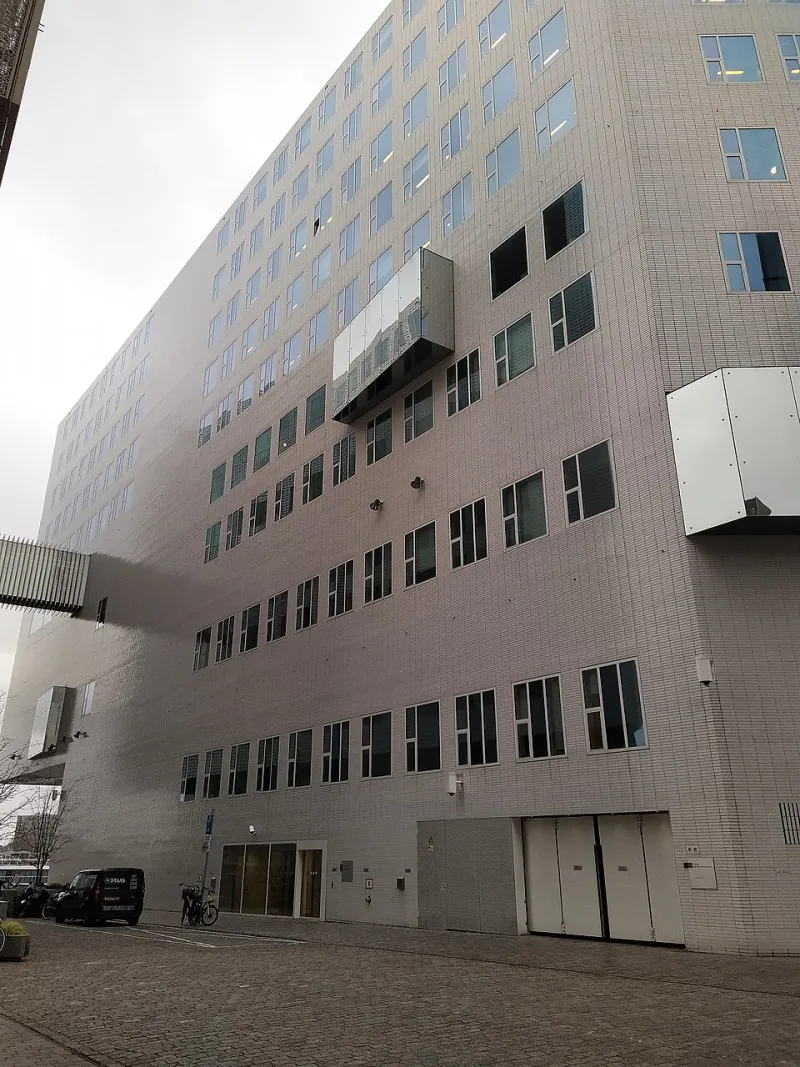
Photo: Colin, CC BY-SA 4.0, via Wikimedia Commons
Most UK office searches are conducted in daylight, during the working week, with a receptionist present and the heating running. That is an incomplete picture. For a hybrid team, the office must work at 7am on a Monday, at 8pm on a Thursday and, occasionally, on a Saturday morning. The lease, however, is often negotiated on the assumption that the building only needs to function between nine and five.
The working day is an incomplete picture
A small business does not need a nightclub-style building. It needs certainty. If two colleagues decide to finish a proposal after hours, they should not discover that the lift is locked, the floor is cold and the alarm has been set by a contractor who was not expecting them. Those are not minor inconveniences; they are failures of access, service and safety that can undermine the very flexibility hybrid working is meant to provide.
The starting point is to treat out-of-hours access as a lease issue, not a facilities afterthought. Ask what the building actually promises, what it charges for, and what depends on the goodwill of a managing agent. Then test those answers in person.
Doors, fobs and vertical transport
A fob that opens the front door is not the same as a fob that opens the floor, the stairwell, the cycle store and the goods lift. Request a written access matrix showing exactly which doors and floors each fob will open, at which times, and under whose authority. Ask whether access is controlled by a building-wide system or by the tenant's own door entry. If the landlord controls it, ask how quickly permissions can be changed when a member of staff leaves or a new starter joins.
Test the route after hours. A 7pm viewing is more useful than a midday one. Check the main entrance, the lift lobby, the fire stairs and the route from the street to the suite. If the building uses a destination-control lift system, confirm that after-hours calls are permitted to your floor. If there is a turnstile or a second security door, confirm that the fob works there too. Ask what happens if a fob is lost, how much a replacement costs and whether temporary access can be arranged for visitors or contractors.
Heating, cooling and the out-of-hours tariff
Building services rarely run for free outside standard hours. Ask for the published heating and cooling hours, the overtime charging mechanism and the notice required to request an extension. Some buildings charge by the hour; others levy a fixed quarterly fee or recover the cost through the service charge. A small team may find that Saturday access is technically possible but financially impractical.
Request the building management system schedule, or at least a written summary of it. Confirm whether the tenant can control local heating and cooling, or whether the whole floor depends on a central plant. Check the position on hot water, ventilation and lighting. If the suite has its own controls, ask whether they are accessible after hours and whether they are locked behind a landlord password.
Security cover and lone working
Reception hours are not the same as security cover. Ask who is present after 6pm, whether the building is staffed at weekends and how visitors are managed outside normal hours. Confirm the position on CCTV, alarm response and emergency contacts. If the landlord expects tenants to sign in and out after hours, ask where that record is kept and who reviews it.
For small teams, lone working is the more pressing issue. A single member of staff may be the only person on the floor after 7pm. Ask for the landlord's lone-working policy, the location of panic alarms or emergency telephones, and the procedure for fire evacuation when the building is quiet. Confirm that the tenant's own health and safety risk assessment will be compatible with the landlord's rules. A lease can grant access, but it cannot make an unsafe arrangement safe.
Insurance, lease wording and the limits of goodwill
Check the insurance conditions. The tenant's contents and public liability policies may contain conditions about alarm setting, key holding and unoccupied premises. The landlord's policy may impose its own requirements. Ask for the relevant extracts or a written confirmation from the managing agent. Do not rely on a verbal assurance that after-hours access is fine.
Read the lease for the access clause, the services clause and any regulations scheduled to the lease. Look for words such as normal working hours, reasonable endeavours and landlord's discretion. Those phrases matter. A tenant needs a clear right of access, a clear statement of the hours during which services are provided, and a clear mechanism for requesting extensions. If the building operates a secure access policy, ask for it to be attached to the lease or incorporated by reference.
Running the audit
A practical out-of-hours audit can be completed in four steps. First, request the access matrix, service schedules and after-hours charging policy in writing. Second, arrange at least one viewing outside standard hours and test the full route from street to desk. Third, speak to an existing tenant if possible and ask how often requests are refused or delayed. Fourth, record the answers in the negotiation file and make sure the lease reflects them.
The purpose is not to demand 24-hour access. It is to establish whether the building can support the pattern of work the business actually intends to use. A team that never works late may not care. A team that does should not discover the limits after the first invoice for overtime heating.