The Empty Chair Test: Using Booking Data to Right-Size a UK Small Office
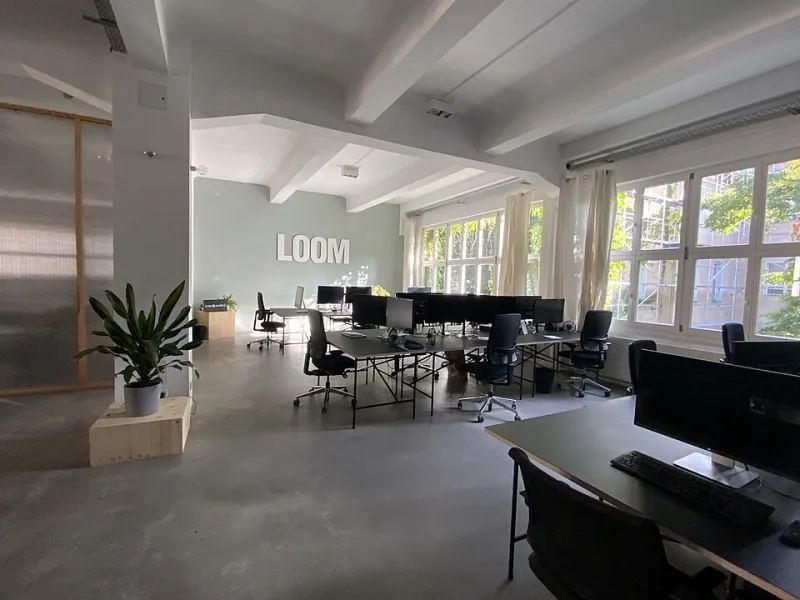
Photo: Loominade, CC0, via Wikimedia Commons
Why headcount remains the default
In 2026, the one-desk-per-person rule is still remarkably resilient. It is simple, defensible and easy to explain to a board. For many small UK businesses, however, it no longer reflects how the team actually works. Hybrid patterns have settled into two or three office days for some staff, while others are largely remote. Client-facing teams may need meeting space more than they need fixed desks. The result is a familiar mismatch: a lease sized on headcount, occupied on peak days, and underused for much of the week.
A utilisation audit is not an argument for cutting space to the bone. It is a method for separating capacity from demand. The question is not whether a team deserves an office, but which combination of desks, rooms and credits supports the work at a sensible cost.
What a utilisation audit should measure
Start with a four-week sample that includes a typical month. Avoid school holidays, year-end and unusual client events unless they are part of normal trading. Measure three things separately.
First, desk demand. Record peak occupancy and average occupancy. Peak occupancy tells you how many desks are needed on the busiest day; average occupancy tells you how much space is idle across the week. Count actual attendance rather than pass access alone, because a pass can be used for a brief visit or a meeting.
Second, meeting-room demand. Export booking records and note duration, attendee count, internal or client use, and no-shows. A room booked for a thirty-minute internal call with two people is not equivalent to a four-person client presentation. Both may matter, but they point to different property solutions.
Third, ancillary demand. Include storage, printing, post, reception use, visitor parking and quiet space. Small teams often discover that their real constraint is not desks but a place to hold confidential conversations or store equipment.
The three-ledger method
A simple framework helps to make the audit manageable. Keep three ledgers: the desk ledger, the room ledger and the credit ledger.
The desk ledger compares seats provided with seats used at peak and on average. Apply a reasonable buffer for growth, new joiners and the odd day when everyone appears. A buffer of ten to fifteen per cent above peak demand is often more realistic than a one-to-one ratio.
The room ledger tests whether the team needs a dedicated meeting room or can rely on shared facilities. Look at total hours booked, average attendee numbers and the proportion of bookings under thirty minutes. If most meetings are short and small, meeting-room credits may be more efficient than a private room that sits empty for much of the week.
The credit ledger prices the alternatives. A serviced suite may include reception, cleaning, utilities and meeting-room credits. A conventional lease may offer lower headline rent but require furniture, fit-out, insurance and service charge. A flexible membership may cost more per desk but remove long-term commitment. Compare total occupancy cost, not rent alone.
A worked example
Consider a twelve-person UK consultancy with a hybrid pattern of three office days. Its current private office has twelve desks and one meeting room. Attendance data shows a peak of eight desks from Tuesday to Thursday and an average of five. The meeting room is booked for nineteen hours a week, but forty per cent of bookings last under thirty minutes and the average attendee count is 2.3.
The team does not necessarily need twelve desks. An eight-desk private office with access to shared meeting rooms may cover peak demand with a modest buffer. Alternatively, a serviced suite with eight desks and ten meeting-room credits a month could suit a team that needs client space occasionally rather than daily. A third option, six desks plus pay-as-you-go rooms, may work if attendance falls further, but it carries the risk of peak-day friction.
The right answer depends on lease terms, cost and culture. The audit simply exposes the trade-off.
The lease consequences
Right-sizing has contractual implications. A smaller suite may reduce rent, service charge, furniture and fit-out costs, but the lease must still permit the intended use. Check whether the landlord restricts the number of occupiers, subletting or permitted hours. Confirm whether meeting rooms are included or charged separately. Ask how service charge is apportioned if the floor area changes.
For businesses comparing options, Domain Office Search can help frame the location and lease questions alongside the workspace analysis. The aim is not to squeeze a team into the smallest possible footprint, but to align property costs with measured use.
A simple decision rule
If peak desk demand is consistently below sixty per cent of capacity for twelve weeks, downsizing deserves serious consideration. If meeting rooms are used for fewer than ten hours a week and average attendance is small, meeting-room credits may be better value than a dedicated room. If client-facing meetings exceed twenty hours a week, a private room or serviced meeting suite may justify its cost.
Checklist before renegotiating
- Export four weeks of booking and attendance data.
- Count peak and average desk use separately.
- Review meeting-room duration, attendee numbers and no-shows.
- Price a smaller private office, a serviced suite and a credit-based option.
- Check lease flexibility, break rights and expansion options.
- Confirm service-charge treatment and meeting-room charges.
- Test the new arrangement for six months before committing long term.
Space should follow evidence, not habit. In 2026, the most valuable desk may be the one a business decides not to rent.