Before the Signature: Putting a UK Office's Sound Profile to the Test
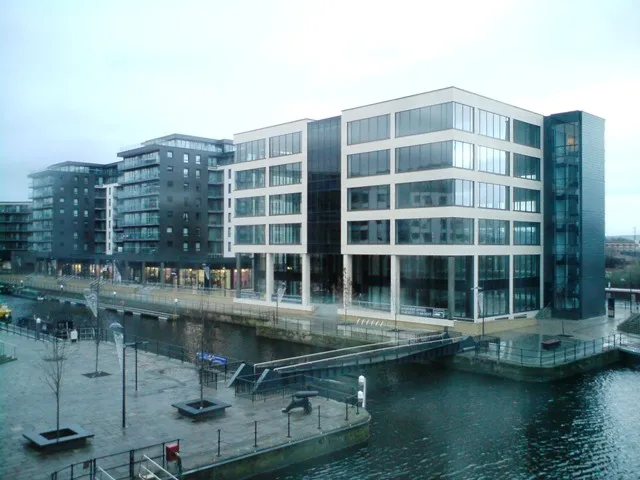
Photo: Tim Marchant, CC BY-SA 2.0, via Wikimedia Commons
Most UK office viewings are exercises in visual assessment. Prospective tenants note the arrival experience, the quality of light, the desk layout and the distance to the station. Sound is treated as background, if it is considered at all. Yet for a small team, acoustic conditions can determine whether a space supports concentrated work or steadily erodes it. A lease is a long commitment to a particular soundscape, and the time to test that soundscape is before signature.
Why acoustics merit due diligence
Acoustic problems are rarely isolated. A team that cannot hear itself think in an open-plan area may respond by buying headphones, adding screens, booking meeting rooms for routine calls or installing pods. Each measure carries a cost, and none may resolve a fundamental problem such as a poorly separated demising wall or a plant room directly above the desks. In 2026, with hybrid patterns still settling and many small firms using fewer desks more intensively, the quality of those desks matters more, not less. A noisy office is not merely uncomfortable; it can affect retention, client calls and the practical use of the space for which rent is being paid.
Plan the audit across time
A single viewing at eleven o'clock is not an audit. Ask the agent for access at three different moments: early morning, mid-afternoon and after ordinary office hours. If the building hosts retail, food or leisure occupiers, a Saturday visit may also be revealing. Note the weather, the school term and any street works, because a quiet day in August is not the same as a busy Tuesday in November. Take written notes rather than relying on memory, and seek consent before making any recording that captures other occupiers or staff.
Start at the building envelope
Stand still near the windows and listen before discussing the fit-out. Traffic, loading bays, bus routes, rail lines and delivery yards are obvious candidates, but so are pubs, restaurants, gyms and refuse collections. Check whether the windows are single, double or secondary glazed, whether seals are intact and whether trickle vents or other openings admit sound. If the windows are sealed, ask how fresh air is supplied and whether mechanical ventilation adds its own noise. A building can seem calm at 9am and become noticeably louder at 4pm when deliveries and school pick-ups converge.
Listen to the building services
Mechanical and electrical services often produce the most persistent acoustic complaint. Listen for the hum of heating, ventilation and air-conditioning, the whine of lift motors, water movement in pipes and the low-frequency drone of plant. Ask where the plant room and risers are located, and whether maintenance or testing takes place outside standard hours. A low hum can be harder to mask than intermittent street noise because it is constant and difficult to locate. Test the same desk position with services running and, if possible, after hours when background noise falls away.
Examine neighbours and shared areas
Acoustic quality is partly a function of who shares the building. Ask what neighbouring occupiers do, when they operate and whether the landlord has received complaints. Listen in corridors, lifts, toilets and reception areas, and note how sound travels through doors, ceiling voids and service penetrations. A neighbouring call centre, studio or customer-facing operation may generate a different pattern of noise from a quiet professional firm. Door closers, footfall and trolley traffic can also be more intrusive than expected in a space that otherwise looks well specified.
Test the suite from the inside
Within the demised area, consider reverberation as well as intrusion. Hard floors, glazed partitions and bare ceilings can make even moderate speech carry. Clap or speak at normal volume and listen for how long sound lingers; this is not a scientific measurement, but it is a useful prompt. Meeting-room privacy deserves particular attention. Ask a colleague to speak in the room at a normal conversational level while you stand outside. If ordinary speech is intelligible, confidential calls and HR conversations may be compromised. Also identify where phone calls will be taken. Open-plan desks need a credible phone zone, whether booths, pods or enclosed rooms, rather than an expectation that staff will retreat to a stairwell.
Read the lease for acoustic remedies
The lease will not usually promise perfect silence, but it may affect what a tenant can do about noise. Look for provisions on quiet enjoyment, nuisance, landlord rules and alterations. If acoustic works are needed, will landlord consent be required, and on what terms? Check the fit-out obligations, service charge and reinstatement provisions, because adding walls, doors or acoustic panels may create future liabilities. Ask whether the landlord has a record of acoustic complaints or disputes involving the building. A schedule of condition should note any existing acoustic defects, and a tenant for whom sound is critical may seek professional legal advice on break rights or specific performance conditions. This article is not legal advice.
A repeatable checklist
At each visit, score the same points from one to five and record the time and conditions:
- Street and delivery noise at the window line.
- Glazing, seals, vents and ventilation noise.
- Heating, ventilation and plant hum at representative desks.
- Neighbouring occupiers and shared circulation areas.
- Corridor, lift and door-closer noise.
- Meeting-room speech privacy.
- Availability and suitability of phone-call zones.
- Reverberation in open-plan and enclosed areas.
- After-hours conditions and building management arrangements.
A sound-level app can prompt attention, but it is no substitute for judgement. The purpose of the audit is not to produce a laboratory result; it is to compare the space against the way the team actually works. Acoustics belong in the same pre-signature conversation as rent, service charge and break clauses. At Domain Office Search, we compare UK offices, leases and flexible workspaces on the understanding that a sound profile is part of the occupational bargain, not an afterthought.