The Ampere Audit: Establishing an Office's Real Power Capacity Before the Lease Is Signed

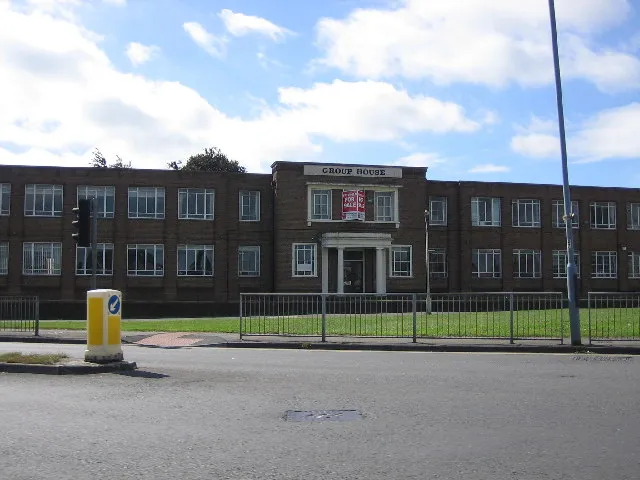
Photo: Richard Law , CC BY-SA 2.0, via Wikimedia Commons
The Gap Between a Floor Plan and a Fuse Board
A UK office particulars document will typically describe the floor area, the number of desks, the meeting rooms and perhaps the broadband speed. It will almost never state how many socket outlets are usable, which circuits they belong to, or whether the building's electrical infrastructure can absorb a small team's monitors, servers, kitchen appliances and the gradual electrification of heating and transport. That omission matters because electrical capacity is not a cosmetic detail. It is a constraint that can shape how a team works, what equipment it can install and what additional cost it may face after the lease has been signed.
The audit begins at the viewing. It does not require an electrician on the first visit, but it does require the tenant to look beyond the furniture and ask a series of practical questions. The aim is not to produce a full electrical survey, but to establish whether the space can support the intended occupation without repeated tripping, inconvenient extension leads or an unbudgeted bill for new circuits.
Why a Socket Count Is Not a Capacity Measure
Counting visible socket outlets is a useful starting point, but it is not a measure of capacity. A room may present twelve 13-amp sockets, yet those outlets may sit on a single ring final circuit shared with the corridor lighting and the kitchenette. The number of outlets says nothing about the load the circuit can carry, the breaker rating that protects it or whether the installation has been altered informally by previous occupants.
Tenants should therefore distinguish between outlet quantity and circuit provision. A desk position with two sockets on a dedicated circuit is more useful than six sockets daisy-chained from a spur. During a viewing, ask the landlord or agent whether the desk drops are on separate circuits, whether the kitchen has its own supply and whether any circuits have been added since the last electrical installation condition report. If the answers are uncertain, treat the provision as unverified.
Reading the Distribution Board
The distribution board, consumer unit or fuse board is the most informative single item in an office electrical audit. It is often located in a cupboard, riser or plant room, and a request to see it is reasonable during a second viewing. The board will indicate the number of ways, the rating of the main switch, the type and rating of the protective devices and whether residual current devices are present.
A tenant does not need to interpret the board to professional standards, but should note whether it is labelled clearly, whether spare ways are available and whether there are signs of informal alteration. A board with no spare ways may leave little room for additional circuits without a board change. A board with unused ways is not a guarantee of capacity, but it is a more promising starting point. Photograph the board with permission and, if the lease is moving towards signature, ask a qualified electrician to review it alongside the latest installation condition report.
Floor Boxes, Spines and Desk Drops
The distribution of power around the floor is as important as the capacity at the board. Floor boxes, perimeter trunking, dado rails and ceiling spines each have different implications for layout flexibility. A floor box may provide power and data in a convenient location, but it may also fix the desk layout to a particular grid. Perimeter trunking is often easier to extend, but it can encourage a ring of desks around the walls rather than a productive arrangement.
Tenants should check whether the floor boxes are actually usable. Some may be damaged, some may lack the correct insert, and some may be positioned under a raised floor that has since been reconfigured. Ask whether the desk drops are connected to the same circuit as the kitchen or the meeting room, because a shared circuit can turn a modest office into a sequence of inconvenient resets. The objective is not maximum socket count, but a distribution that matches the team's working pattern and leaves room for change.
The Kitchen Load and the Future Fleet
The kitchen is often the first place where electrical provision is tested. A kettle, a coffee machine, a microwave and a dishwasher can draw significant current, and if they share a circuit with desk equipment the result may be nuisance tripping. A small team should establish whether the kitchen has a dedicated circuit, whether the appliances are supplied by the landlord or the tenant, and whether the existing provision anticipates the equipment the team intends to use.
The future load deserves equal attention. Laptops and monitors are modest, but servers, large displays, electric space heaters, e-bike charging and electric vehicle charging are not. A tenant planning to install a small server cabinet or a charging point should raise the matter before the lease is signed, not after. The question is not only whether the building can supply the load today, but whether the landlord is willing to permit the necessary work and whether the cost of that work will fall to the tenant.
Landlord Consent and the Cost of Extra Circuits
In most UK office leases, alterations to the electrical installation require landlord consent. The consent process may be straightforward, but it can also introduce delay, conditions and cost. Tenants should ask, before signing, what the landlord's position is on additional circuits, whether a licensed contractor must be used and whether any works must be removed at lease end. The answer should be recorded in writing, ideally within the agreement for lease or a side letter.
The cost of extra circuits is not limited to the electrical work itself. It may include making good, fire stopping, testing and certification, and the preparation of a dilapidations assessment at the end of the term. A tenant who installs a dedicated circuit for a server room should understand whether it must be removed or whether it can remain as an improvement. These are lease questions as much as electrical ones, and they belong in the commercial negotiation rather than in a post-completion dispute.
A Practical Viewing Checklist
A disciplined viewing can capture most of the information a small team needs. Count the visible outlets and note their locations. Identify the distribution board and ask for the latest electrical installation condition report. Check whether the kitchen has a dedicated supply. Look for floor boxes and trunking, and assess whether the layout can be adapted without extensive rewiring. Ask about spare ways at the board and the landlord's approach to consent for additional circuits. Finally, consider the team's medium-term equipment plans, including any server, charging or heating load.
None of these checks replaces a professional inspection, but together they reduce the risk of discovering a capacity problem after the lease has begun. In a market where small teams are often comparing fitted offices with limited technical information, the ampere audit is a modest but useful discipline. It treats electrical provision as part of the occupational package, not as an afterthought once the furniture has arrived.